| Industry | Taxi and Transport |
| Focused Market | United Kingdom |
| Components | 3 Panels (Rider+ Driver+ Admin) |
| Platforms | iOS, Android, & Web |
The brief of the project
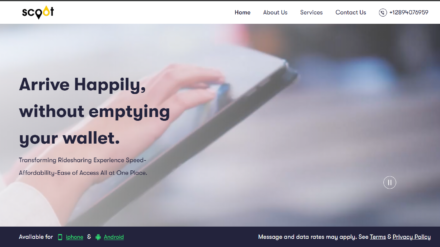
The client from the UK wanted to start an online taxi booking platform. The project required a passenger app, a driver app, and a web-based admin panel. The client also needed vehicle tracking and tools to manage daily operations on both Android and iOS.
The work focused on making the system practical for local use with the help of our customizable Uber Clone Script rather than simply providing a ready-made solution. So, we customized the platform to suit his business requirements and the way taxi services operate in the UK. Thus, the primary goal of this project was to help passengers in the UK find nearby drivers and book rides without difficulty.
The management team also needed a clear view of bookings, drivers, vehicles, and daily activities through the admin panel.
What’s the Challenge?
Preparing the 3-part system for launch required more work than expected. Both passengers and drivers needed easy-to-use apps, and the Android and iOS versions had to work consistently across both platforms.
The client also wanted tight control over where the service could be used. The platform had to be focused on the UK, but our testing team in India needed temporary access, and the app could not be left open to the rest of the world while they worked.
Then came the app stores. Google Play and the Apple App Store both have strict review processes, so we focused on SDK updates, security requirements, SSL support, Firebase-related troubleshooting, and developer console settings along the way.
Our test setup in India also behaved differently from a live setup in the UK. Network conditions were not the same, and neither were SMS gateways, server security settings, or push notifications. Our engineers spent a good amount of time tracking down these differences before anything went public.
How we handled it
We took care of product setup, customization, store publishing, and support, and we worked closely with the client from start to finish. The result was the passenger app, the driver app, and the admin dashboard, built to work together.
For the location issue, we put geographic controls straight into the admin panel. The client can now change where the service is available on their own, without waiting for a new app build.
Later, to deal with the India and UK differences, we split our demo testing servers from the live production servers. Real user data stayed safe, and we still had space to try out custom features.
The Android apps went live on Google Play after so many trials and errors. After that, we added SSL security improvements, custom vehicle seat options, and a customer referral feature.
What set this project apart!
Two choices stand out. The first is the location control. Because the client can open or close service areas from their own dashboard, they can react to the market straight away. They don’t have to put in a request and wait for a developer.
The second is the separate testing pipeline. Our internal QA in India ran separately from the live checks in the UK, so production was never put at risk during development. It made releases calmer than they would have been otherwise.
The work has also carried on well past launch, and we are still improving the product with the client.
Takeaways – Let’s discuss the Results
Let’s discuss the key takeaways from this collaboration,
- Multi-platform presence – The project established a full-fledged digital taxi platform covering all key applications to kickstart a proper ecosystem.
- UK-focused Operations – The product was built around the client’s primary market, which is the UK.
- Centralized administration – The business can manage important platform settings through a thorough web-based administration.
- Production launch support – We assisted the client through testing, app store submission, review, and deployment details.
The Android passenger and driver apps were live on Google Play, with the web admin dashboard running alongside them. The platform covers both Android and iOS.
Management can now handle driver allocation, follow rides as they happen, and set regional boundaries from one place.
We stayed on after launch to look after maintenance, and that has meant regular updates to push notifications, server security, and the rewards system.
The Journey Ahead
The DigitalTaxiNet project was a journey of turning a business idea into a working digital platform. From setting up the passenger and driver apps to handling app-store submissions and making changes based on the client’s needs, our team worked closely with the client at every stage.
At Trioangle, we believe our work doesn’t end when an app goes live. We’re here to support our clients as they continue building and developing their businesses.
“Launching the product is only the beginning. The real value comes from continuously improving the technology as the business evolves”