
The ride-hailing industry is experiencing massive growth, and it creates the chance for startups like you to start a ride-hailing business in your target market. But before launching your business, you need to consider some of the common mistakes that make your ride-sharing platform difficult to run.
Yeah, facing difficulties is a normal part of starting any business. With proper planning and approach, you can overcome these hurdles and build a successful ride-hailing business.
In this blog, we’ll look at the common mistakes startups may make when entering the ride-hailing market and practical ways to overcome them.
Common Mistakes Startups Make in the Ride-sharing Business
There are a lot of mistakes that startups or entrepreneurs can make in the ride-sharing business, and in this section we will look at these mistakes and how to avoid them to run your business without any difficulties.
1. Starting Without Understanding the Target Market

This is one of the most important things that every startup or entrepreneur should consider before building a ride-sharing business. Every location has different market requirements and customer preferences, and they have different travel habits, which makes it a struggle for you to attract customers and drivers to your platform.
📌How To Overcome This?
- A service that works well in a larger city may not perform well in a smaller one. So, conduct proper market research to understand which services customers use the most.
- Also, analyze your competitors’ app features, strengths, and weaknesses. This will help you make better decisions when designing your platform.
2. Ignoring Ride-Hailing Trends in the Market
During the market research stage, many of you ignore current ride-hailing trends in your target area. The ride-hailing industry is one of the fastest-growing markets, so you need to stay updated on current trends such as EV fleets, robotaxis, corporate travel, and more. Understanding these trends can help you offer unique services and stand out in the market.
📌How To Overcome This?
- Keep track of the latest changes in the ride-sharing market and understand which trends are gaining more attention from your target customers.
- You should also analyze how your competitors and existing platforms are using these trends and check whether they fit your business model.
3. Setting Unrealistic Pricing and Commission Rates
Another common mistake that every startup makes is setting high ride fares without thinking about operating expenses or market rates. If the ride fare is too high, customers may switch to other platforms.
On the other hand, offering low prices to customers while setting high commission rates for drivers can make them dissatisfied and discourage them from continuing with your platform.
📌How To Overcome This?
- Before deciding on pricing, calculate your operating expenses, including driver payments and other costs. Set commission rates for drivers and make sure they are able to earn fairly.
- Review your pricing strategy based on customer feedback, market demand, and competitors’ pricing. This will help you maintain a pricing strategy that satisfies both customers and drivers.
4. Focusing on Getting Customers but Ignoring Drivers
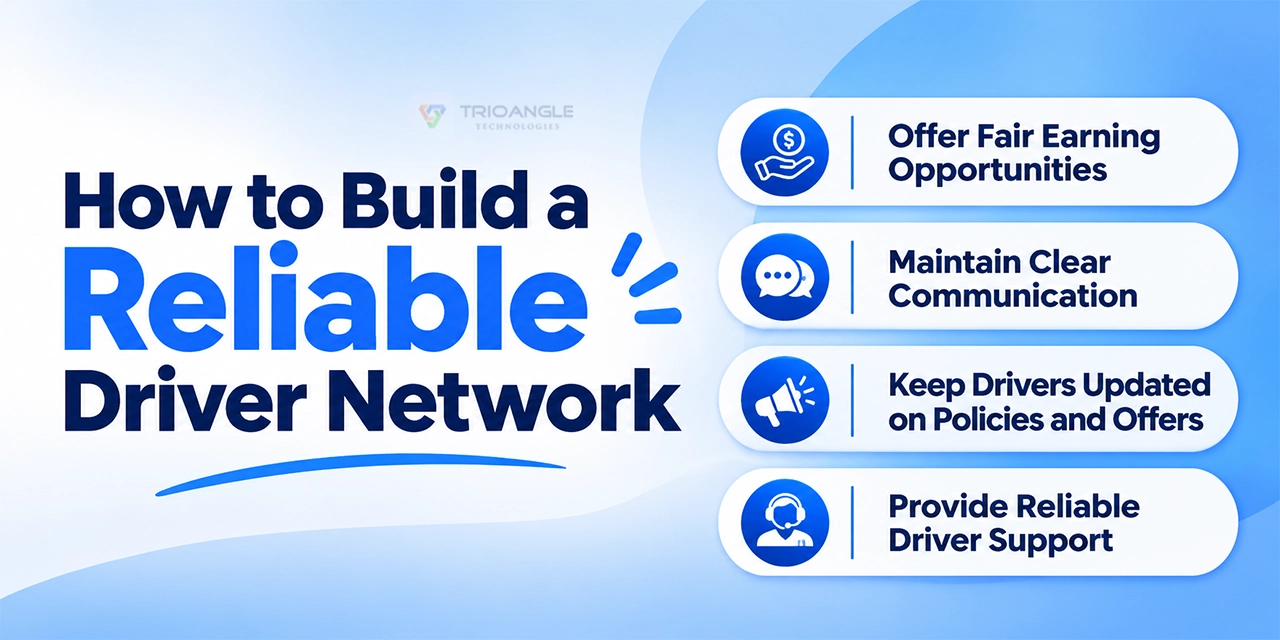
Many platform owners spend more time attracting customers to their ride-sharing app by offering discounts and promotions, but they fail to give the same attention to attracting drivers. Drivers play a vital role in a ride-sharing business, and without enough active drivers, it becomes difficult to provide services and meet customer demand.
📌How To Overcome This?
- To retain drivers on your platform, offer fair earning opportunities and maintain clear communication with them. Keep them updated on your policies and new offers, and provide customer support to listen to their concerns and resolve their issues.
5. Expanding Into Multiple Locations Without Planning
Launching your ride-booking platform in multiple locations without proper planning may lead to difficulties in operating the service and maintaining service quality across all locations. This can increase operating costs and create challenges in managing drivers and customers on the platform.
📌How to Overcome This?
- Before expanding your platform, make sure it is running successfully in the existing market. Monitor factors such as completed rides, driver availability, customer preferences, and overall business performance in your existing market.
- Once you are able to manage the platform effectively, you can expand it to multiple locations.
6. Poor Customer Support and Complaint Handling
Many ride-booking businesses focus only on attracting customers but fail to provide customer support when needed. When customers face issues with ride cancellations or payment failures, they expect quick responses and solutions. If these problems are not handled properly, customers may lose trust in your platform.
📌How to Overcome This?
- Create a separate team to handle customer issues and help resolve problems related to ride cancellations, refunds, and more.
- Collect customer feedback and use it to improve your platform’s performance. This will help you build trust and a good reputation among customers.
7. Lack of Proper Driver Verification and Safety Checks
Lack of proper driver verification and safety checks is one of the common mistakes startups and entrepreneurs make. It is important to check drivers’ backgrounds to make sure the platform is safe for passengers.
📌How to Overcome This?
- The platform should include document and background verification during the driver onboarding process. Check the driver’s license and vehicle registration details.
- Set clear platform rules and policies that both customers and drivers should follow. This will help make the platform more trustworthy.
8. Improper Financial Planning and Expense Management
Platform owners do not give enough attention to the expenses involved in running a ride-hailing business. Apart from platform maintenance, there are other costs, such as marketing expenses, driver incentives, and more.
Offering too many discounts and promotional deals can also increase expenses without generating enough revenue for the platform.
📌How to Overcome This?
- Before starting your business, plan a budget that covers operating and marketing expenses. Keep track of your platform’s revenue, commissions, and other regular expenses.
- Review your finances to understand how much money is being spent and where it is going. This will help you control your expenses and manage your business finances better.
9. Failing to Resolve App Problems
Customers may face payment failures or app crashes during busy hours. These technical issues may frustrate customers and cause them to cancel their rides. Drivers may also face problems with trip loading or incorrect payout details, which can discourage them from continuing to use the platform.
📌How to Overcome This?
- Track a few key numbers every week to identify problems early. Check for patterns, such as an increase in ride cancellations at certain times or payment failures with a particular payment method. Focus on fixing the most common problems first to reduce ride cancellations and retain users on your platform.
| Metric | What to Check |
| Payment Failure Rate | How often customers are unable to complete a payment |
| Cancellation Rate | How many booked rides are cancelled before completion |
| Average Pickup Time | How long customers wait for a driver to arrive |
| App Maintenance | Test and update the app regularly |
| App Rating | What customers and drivers say about their experience |
10. Not Meeting Local Business Requirements
This is one of the essential steps when launching a ride-booking platform. Many startups do not have enough knowledge about the laws and regulations involved in starting a business because each country and city has different rules.
If your platform does not meet the rules and regulations of your target market, it can make the launch process difficult.
📌So, How to Overcome This?
- Do detailed research on the rules and regulations for starting a ride-booking business in your target market, such as business registration, tax registration, data privacy, aggregator licenses, and more. You can also consult a local professional to understand the requirements.
11. Adding Too Many Features at the Start
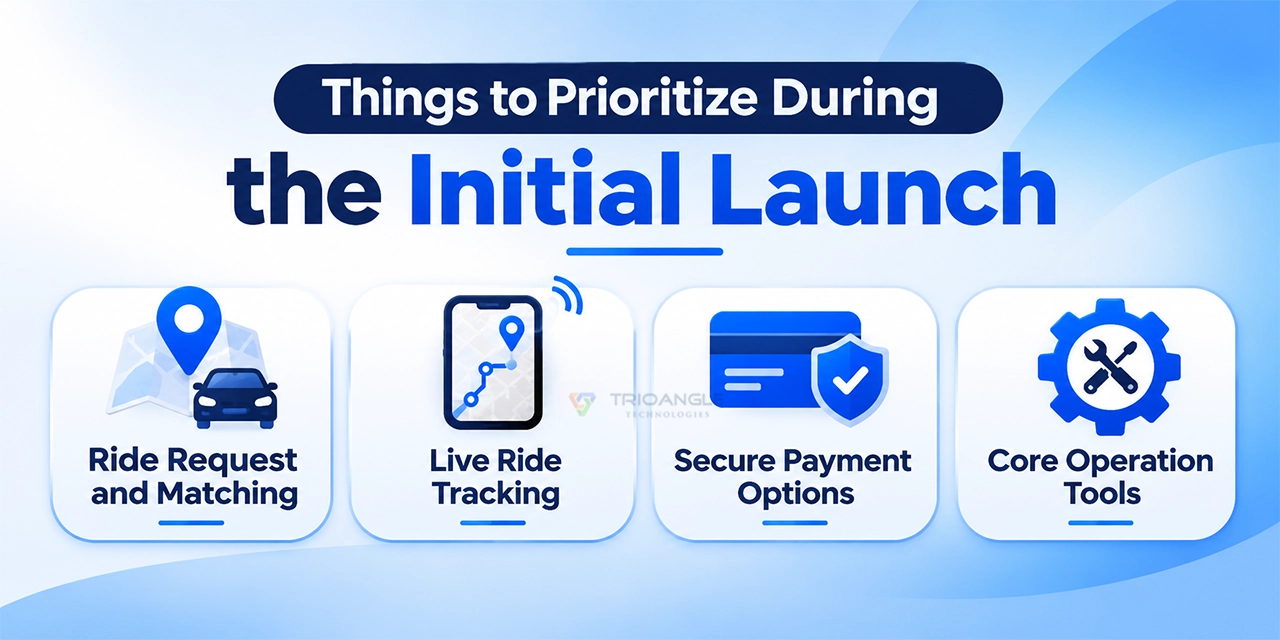
Adding too many features at the beginning of your business may increase your expenses. Sometimes, these features may not even be needed by your target audience. This can affect your launch and user experience.
📌How to Overcome This?
- You can start with a minimum viable product (MVP) and include features based on your target audience’s preferences and the features your competitors lack.
- Some startups also begin with a ready-made ride booking solution that already covers the core functions, and add more as the business grows.
- This will help you reduce expenses and focus on the basic and necessary functionality. You can expand the features as your platform grows.
12. Not Having a Clear Business Model
A clear business model defines how your business will generate revenue and how it will operate. Without a proper business model, you may struggle to generate income and manage your business. Also, the suitable business model may vary depending on the target market and local business conditions.
📌How to Overcome This?
- You need to analyze your target market to understand which business model is suitable for your platform. Choose a model based on your target audience and market.
13. Complicated Registration Process
If your platform has a complicated registration and booking process, your customers and drivers may feel frustrated when using the platform to book rides. This can reduce the number of users on your platform.
📌How to Overcome This?
- Make your platform’s registration process simple and clear, without too many steps or unnecessary navigation.
- Offer a simple, single-step registration and payment process, which will help end users use the platform easily without any difficulties.
14. Delays in Matching Riders with Drivers
The ride-matching feature is one of the core functionalities of a ride-hailing app. If the app takes too long to match riders with drivers, it can frustrate both riders and drivers. The app should connect them quickly without unnecessary delays.
📌How to Overcome This?
- Improve your ride-matching feature and test it properly to reduce delays. Collect feedback from users to identify the main issues and understand whether delays occur more frequently during peak hours. Take the necessary steps to resolve these issues.
These are the 14 common mistakes that ride-hailing businesses face, which may affect platform operations. Be aware of these mistakes when building your platform.
Final Thoughts
In this blog, we explored the 14 common ride-hailing startup mistakes entrepreneurs should know and how to overcome them. We also discussed the important steps to take, such as conducting basic market research, understanding local regulations, and addressing technical issues on the platform.
Make sure your platform has a clear business model and a dedicated customer support team to provide reliable service. If you’re also deciding how to get your platform live, a ready-made ride-hailing platform is one option to compare.
Also, keep track of your platform’s overall performance before expanding into other regions. Addressing these mistakes will help your platform run smoothly and become successful.